
What does venison taste like? It’s a question I get asked a lot, and honestly, it’s one of my favorite topics to dive into! The flavor of deer meat is so unique and delicious, unlike anything else. I remember my first real venison meal – a slow-cooked stew that was so rich and savory, with a subtle earthiness that just sang. It was a world away from the everyday proteins I was used to. The venison flavor profile is often described as robust and slightly sweet, with hints of herbs and woods from the deer’s natural diet. Forget any preconceived notions you might have about “gamey” meat; when cooked right, venison is tender and incredibly satisfying. Ready to explore this amazing taste? Let’s get cooking!
Understanding the Venison Flavor Profile
The taste of deer meat is truly special, and understanding its nuances can elevate your cooking. Here’s a breakdown of what you can expect:
- Rich and Savory: Venison offers a deep, satisfying flavor that’s more intense than beef.
- Subtle Earthiness: You’ll often detect hints of the forest and natural vegetation the deer consumed.
- Slightly Sweet Undertones: Many people notice a mild sweetness that balances the savory notes.
- Leaner Profile: Unlike fattier meats, venison has a cleaner finish on the palate.
- How does venison taste? It’s a unique combination of robust, slightly sweet, and earthy notes, making it stand out.
- Minimal “Gamey” Flavor (Usually): While some associate it with gamey tastes, fresh, well-handled venison is rarely overpowering.
- Versatile: Its distinct flavor pairs wonderfully with robust spices and complementary ingredients.

Ingredients for Exploring Venison Taste
To truly appreciate the unique venison taste, having the right ingredients is key. This recipe focuses on enhancing, not masking, the natural deer meat flavor description.
- 2 lbs venison loin or tenderloin – the star of the show, known for its tenderness
- 2 tablespoons olive oil – a good quality oil helps achieve a beautiful sear
- 1 tablespoon fresh rosemary, chopped – its piney notes pair wonderfully with venison
- 2 cloves garlic, minced – adds a pungent depth that complements the meat
- 1 teaspoon salt – essential for bringing out all the flavors
- 1/2 teaspoon black pepper, freshly ground – provides a subtle bite
- 1/4 cup beef broth – for basting and keeping the venison moist
How to Cook Venison for Optimal Taste
Getting venison right is all about understanding its unique characteristics. Follow these steps for the best results and to truly appreciate the flavor of deer meat.
- Step 1: Preheat your oven to 400°F (200°C). Pat your venison cuts completely dry with paper towels. This is crucial for achieving a good sear, which locks in moisture and flavor.
- Step 2: Season your venison generously on all sides with salt and freshly ground black pepper. For an extra layer of flavor, you can also add herbs like rosemary or thyme. This step is part of the best way to cook venison to improve taste.
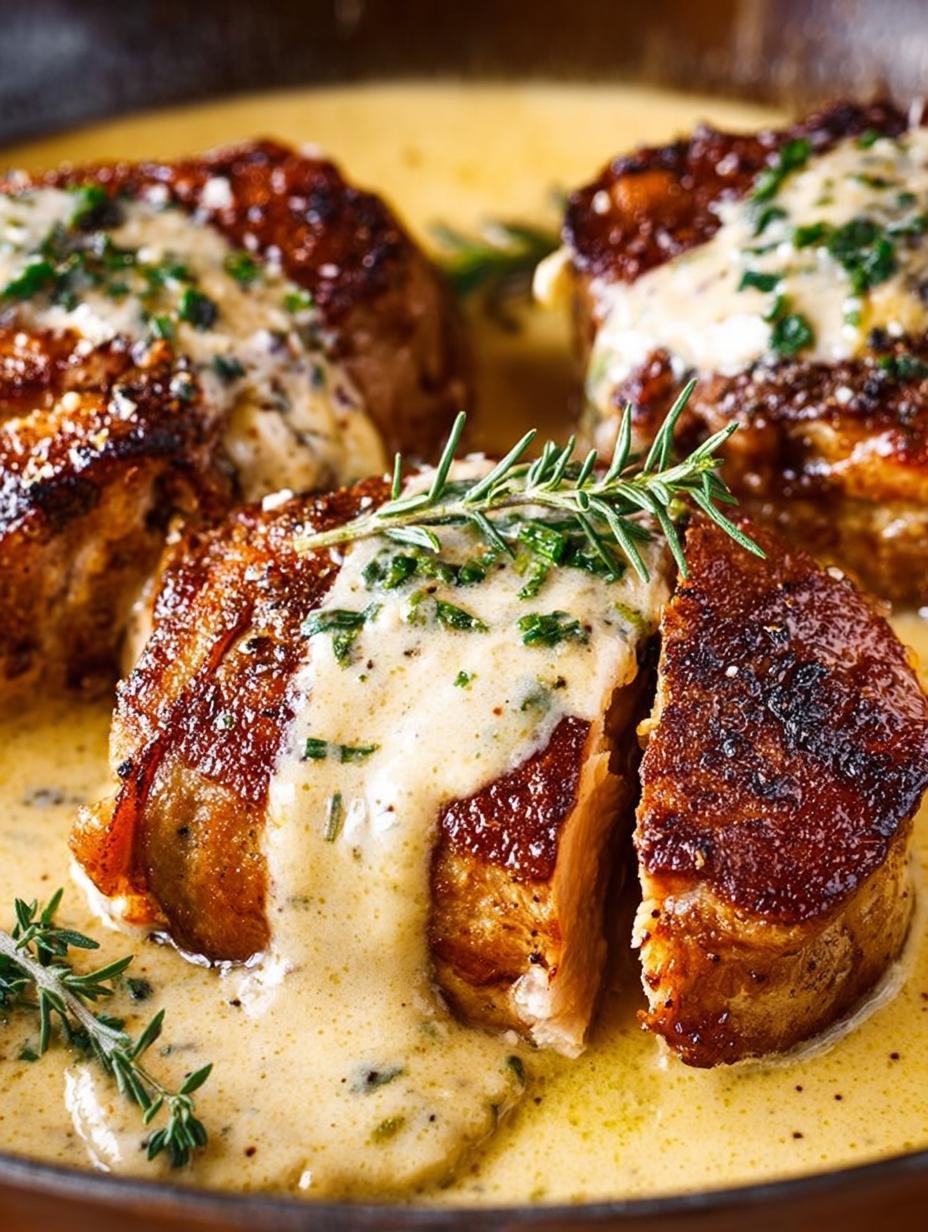
- Step 3: Heat 2 tablespoons of olive oil in an oven-safe skillet over medium-high heat until shimmering. Carefully place the seasoned venison into the hot skillet. Sear for 2-3 minutes per side until a beautiful brown crust forms.
- Step 4: Once seared, transfer the skillet to the preheated oven. For loin or tenderloin cuts, roast for about 10-15 minutes for medium-rare, or until an internal thermometer reads 130-135°F (54-57°C). Cooking venison to medium-rare is key to preventing it from becoming tough or dry. If you’re wondering how to make venison taste less gamey, overcooking is one of the biggest culprits.
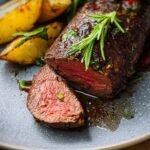
- Step 5: Remove the venison from the oven and let it rest on a cutting board, loosely tented with foil, for at least 10 minutes. This resting period is vital; it allows the juices to redistribute throughout the meat, ensuring a tender and moist final product. You’ll see the juices settle, a sign of a perfectly cooked cut.
- Step 6: Slice the venison against the grain. You’ll notice the deep red color and the appealing texture. Serve immediately and savor the rich, distinct taste of well-cooked deer meat.

Pro Tips for Enhancing Venison Taste
Elevating the flavor of venison is easier than you think. These tips will help you bring out the best in every cut:
- Always source your venison from a reputable butcher or hunter to ensure quality and proper handling, which significantly impacts the final taste.
- Don’t shy away from marinades! A good marinade can tenderize the meat and infuse it with complementary flavors, making the venison taste even better. Think herbs, garlic, and a touch of acidity.
- When cooking, aim for medium-rare. Overcooking venison is the quickest way to dry it out and make it tough, masking its natural deliciousness.
- Consider pairing your venison with robust flavors like mushrooms, berries, or dark chocolate. These additions complement the inherent richness of the deer meat.
What’s the secret to perfect venison taste?
The key is sourcing fresh, well-handled venison and cooking it to medium-rare. This preserves its natural moisture and rich flavor, preventing it from becoming too gamey.
Can I make venison ahead of time to preserve taste?
Yes, you can prepare venison ahead of time. Marinate it up to 24 hours in advance, or cook it and refrigerate. Ensure it’s cooled properly before storing to maintain its best flavor.
How do I avoid common mistakes that affect venison taste?
Avoid overcooking, as this dries out the lean meat. Also, ensure proper aging and handling post-harvest, as this greatly influences the “gamey” factor and overall flavor profile.
Best Ways to Serve Venison to Appreciate its Flavor
Once you’ve mastered cooking venison, serving it becomes a delightful experience. To truly appreciate the distinct venison taste compared to beef, consider pairing it with sides that complement its robust profile. A wonderful option is pan-seared venison medallions served alongside a creamy mushroom risotto. The earthy notes of the mushrooms and the richness of the risotto harmonize beautifully with the venison. Another fantastic idea is roasted venison loin with a red wine reduction, accompanied by roasted root vegetables like carrots and parsnips. These hearty sides stand up well to the intense flavor of the deer meat. For a lighter touch, consider a fresh berry compote or a tart cherry sauce, which offers a sweet and tangy contrast that highlights the venison’s natural sweetness.
Nutrition Facts for Venison Taste
When you’re enjoying the delicious taste of venison, it’s good to know you’re also getting a wealth of nutrients. This lean protein is a fantastic choice for a healthy diet. Here’s a look at the nutritional breakdown per 4 oz serving:
- Calories: 150
- Fat: 3g
- Saturated Fat: 1g
- Unsaturated Fat: 2g
- Trans Fat: 0g
- Protein: 28g
- Carbohydrates: 0g
- Fiber: 0g
- Sugar: 0g
- Sodium: 70mg
- Cholesterol: 90mg
Nutritional values are estimates and may vary based on the specific cut of venison and preparation methods used. For more detailed nutritional information on lean meats, you can consult resources like the USDA FoodData Central.
How to Store and Reheat Venison to Maintain Flavor
Proper storage is key to preserving that wonderful venison taste after cooking. Once your delicious venison has cooled down for about 20 minutes (don’t leave it out longer than two hours at room temperature), it’s time to store it. For short-term storage, place the venison in an airtight container or wrap it tightly in plastic wrap and then foil. It will stay fresh in the refrigerator for about 3 to 4 days. If you’re planning to keep it longer, freezing is your best bet. Wrap individual portions securely in plastic wrap, then a layer of aluminum foil or place them in freezer-safe bags. Properly stored venison can last in the freezer for up to 3 months without a significant loss in flavor. Understanding venison flavor means knowing how to keep it tasting great!
When you’re ready to enjoy your stored venison, reheating it gently is important. The best method is often in a low oven, around 300°F (150°C), covered with foil, until warmed through. You can also gently reheat sliced venison in a skillet over low heat with a splash of broth or water. Avoid high heat, which can quickly dry out the lean meat and diminish its delicate taste.
Frequently Asked Questions About Venison Taste
What is venison meat?
Venison is meat from a deer. It’s a lean, red meat that has a distinct flavor profile often described as rich, slightly sweet, and earthy. The taste can vary depending on the deer’s age, diet, and how the meat was handled after harvest, but it’s generally more flavorful than conventional beef. For a comparison, you might find it interesting to explore the flavor profiles of other red meats like beef ragu.
What does wild game taste like?
Wild game, including venison, typically has a more intense, robust flavor than farm-raised meats. This is largely due to the animal’s natural diet of grasses, herbs, and vegetation, which imparts earthy and sometimes herbaceous notes. While some associate wild game with a “gamey” taste, this often comes from improper handling or aging. Well-prepared venison usually has a clean, savory flavor with subtle complexity. Understanding the nuances of different food sources can help appreciate these unique flavors.
Does venison taste like beef?
While both are red meats, venison has a more distinct flavor profile than beef. Venison is significantly leaner, which contributes to a cleaner, less fatty taste. You’ll often find venison has a slightly sweeter, earthier taste with subtle herbal notes, whereas beef is generally milder and richer due to its higher fat content. Think of venison as a more complex cousin to beef.
How can I make venison taste less gamey?
To minimize any potentially “gamey” taste in venison, proper handling is crucial from the start. Ensure the deer was field-dressed quickly and cooled properly. When cooking, marinating venison for several hours or overnight in ingredients like herbs, garlic, red wine, or even a little acidic component like vinegar or lemon juice can help tenderize the meat and mellow its flavor. Cooking it to medium-rare also prevents it from becoming dry and intensifying any stronger flavors. For more on food handling and safety, resources on food safety regulations can be informative.
Variations of Venison Taste You Can Explore
The beauty of venison lies in its versatility and the subtle differences you can discover. Understanding these variations can help you choose the best approach for your meal. Exploring different venison taste notes reveals a spectrum of delicious possibilities.
- Diet-Influenced Flavor: The deer’s diet plays a huge role. Venison from deer that graze on rich, varied vegetation will often have a more complex, herbaceous flavor profile compared to those feeding primarily on drier grasses. This is one of the key characteristics of venison taste.
- Cooking Method Impact: Pan-searing venison loin yields a quick, tender result with a beautiful crust, highlighting its natural richness. Braising tougher cuts, like shanks or shoulders, transforms them into incredibly tender, melt-in-your-mouth dishes with deep, savory flavors infused from the braising liquid.
- Age and Cut Differences: Younger deer generally yield milder, more tender meat, while older animals might have a more pronounced, robust flavor. Different cuts also offer distinct experiences; tenderloins are prized for their delicate texture, while shoulder roasts offer a heartier, more intensely flavored meat.
- Flavor Pairings: Experimenting with spices, herbs, and sauces can unlock new dimensions. A classic combination involves earthy mushrooms and garlic, but don’t be afraid to try fruit-based sauces like cranberry or cherry, which offer a delightful sweet and tart contrast to the venison’s inherent savory notes.
What Does Venison Taste: Amazing Deer Flavor
- Total Time: 45 minutes
- Yield: 4 servings
- Diet: Protein-Rich
Description
Explore the unique flavor of venison. Learn what venison tastes like, discover its taste profile, and find tips to cook it perfectly. This guide explains the characteristics of deer meat flavor and how it compares to beef.
Ingredients
- Venison cuts
- Cooking oil
- Seasonings
Instructions
- Understand the natural flavor of venison.
- Choose appropriate cooking methods for venison.
- Season venison to complement its taste.
- Cook venison to the desired level of doneness.
- Serve venison and enjoy its distinct flavor.
Notes
- Venison’s taste can vary based on the deer’s diet and age.
- Proper handling after harvest significantly impacts venison flavor.
- Leaner cuts of venison benefit from moist cooking methods.
- Marinating can help tenderize and infuse flavor into venison.
- Pairing venison with complementary flavors enhances the overall dining experience.
- Prep Time: 15 minutes
- Cook Time: 30 minutes
- Category: Main Course
- Method: Pan-searing or Roasting
- Cuisine: American
Nutrition
- Serving Size: 4 oz
- Calories: 150
- Sugar: 0g
- Sodium: 70mg
- Fat: 3g
- Saturated Fat: 1g
- Unsaturated Fat: 2g
- Trans Fat: 0g
- Carbohydrates: 0g
- Fiber: 0g
- Protein: 28g
- Cholesterol: 90mg



Leave a Reply